
"Cameroon coffee export"
200 article(s) found

Detailed description of the flavor and taste of the world's top boutique coffee bean varieties
Latin American coffee beans (Central and South America) Brazil: Santos, Bahia, Cerrado, Mogiana Mexico: Coatepec, Huatusco, Orizaba, Maragogype, Tapanchula, Huixtla, Plumako
Introduction of Coffee from 53 Coffee producing areas in the World
one. Costa Rican coffee has full grains, ideal acidity and unique strong aroma. Tarrazu of Costa Rica is one of the major coffee producing areas in the world. Costa Rica, with its fertile volcanic soil and good drainage, is the first country in Central America to grow coffee and bananas for commercial value. Coffee and fragrance
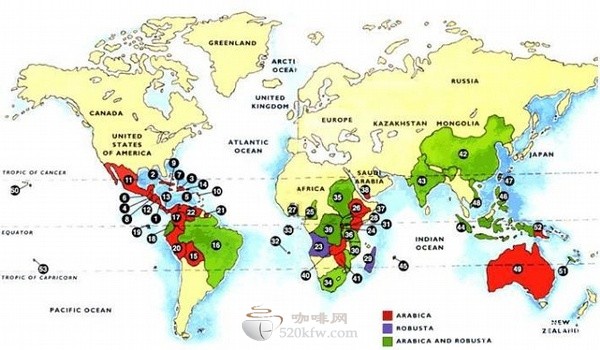
Coffee beans from 53 producing areas-enough to make you memorable
one. Costa Rican coffee has full grains, ideal acidity and unique strong aroma. Tarrazu of Costa Rica is one of the major coffee producing areas in the world. Costa Rica, with its fertile volcanic soil and good drainage, is the first country in Central America to grow coffee and bananas for commercial value. Coffee and fragrance

What's the difference between Robusta and Cornell coffee? Introduction of Canephora Coffee varieties
For most people in the coffee industry, robusta coffee is regarded as inferior coffee. It is generally believed that robusta coffee beans produce poor coffee and have a poor flavor. For farmers, it has lower planting costs, higher productivity, higher natural caffeine content, and resistance to drought and disease. As a result, robusta coffee is thought to be used for blending

Introduction of coffee beans
Introduction to coffee beans [introduction] [coffee producing areas] [types of coffee beans] [how to choose coffee beans] Coffee the origin of this plant can be traced back to millions of years ago, and the time when it was really discovered can no longer be tested. It is only said that coffee was a shepherd named Kaldi in the Ethiopian Highlands, when he discovered that his sheep had accidentally eaten the fruit of a plant.
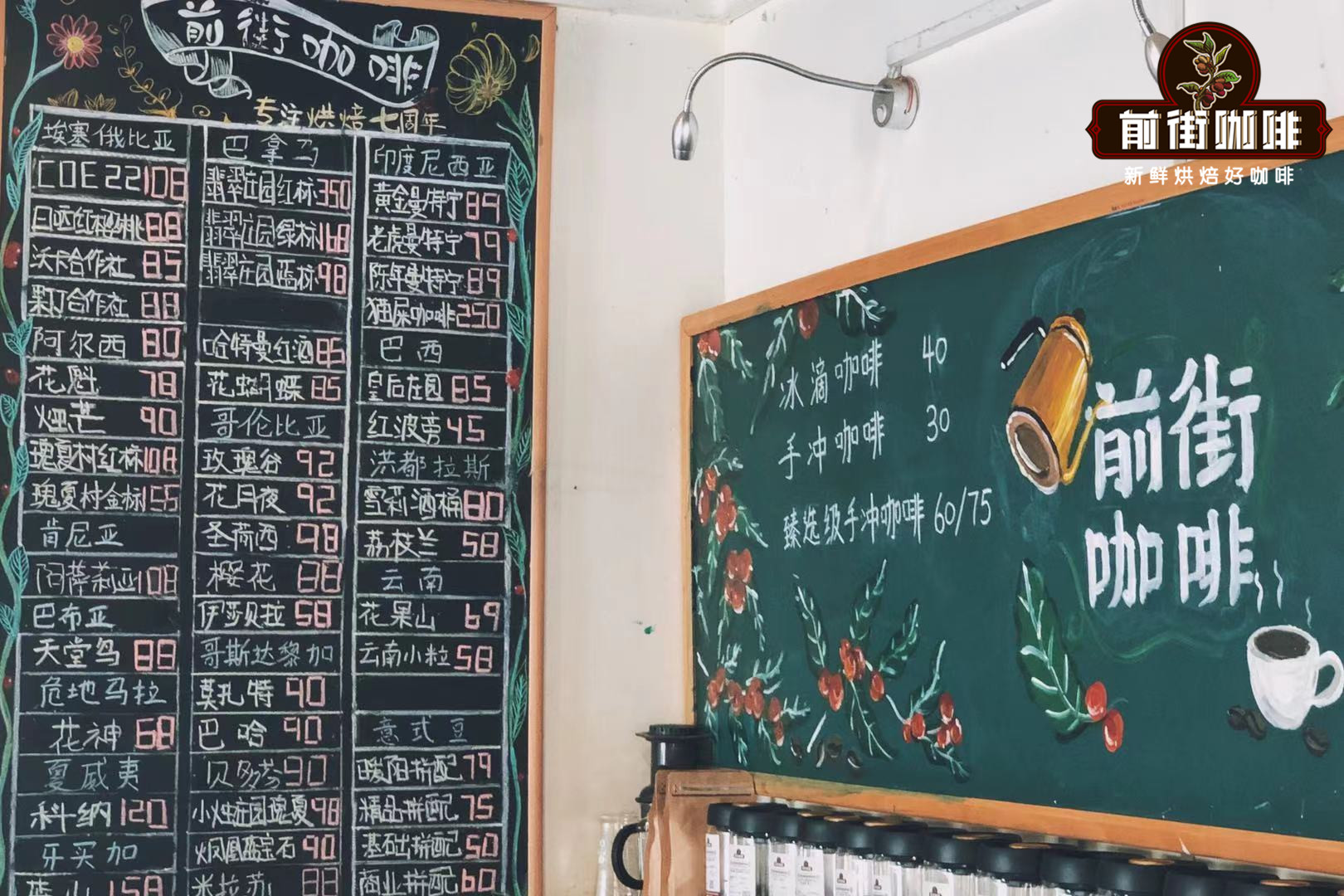
Flavor characteristics of Bolivian Rosa Coffee beans the story of Bolivian Rosa cousin Java Coffee
Professional coffee knowledge exchange more coffee bean information please follow the coffee workshop (Wechat official account cafe_style) Bolivia is an interesting place, although it is known as the paradise of coffee growth, but its production has not been high. Qianjie Coffee has been served in Bolivian coffee several times, and its exquisite flavor is very impressive. The history of Bolivia is very interesting, though

What are the main flavor characteristics of Bolivian coffee beans
Professional coffee knowledge exchange more information about coffee beans Please follow the coffee workshop (Wechat official account cafe_style) if you want to talk about the paradise where coffee beans grow, it is not a paradise. This region can be regarded as one of the most popular boutique coffee producing areas. Most of the coffee beans in this area are sweet and very popular, but the quantity of coffee beans is very small.
Does the growing environment of Daquan coffee affect the quality and flavor of coffee beans growing countries and producing areas in the world?
The ideal conditions for the growth of coffee trees all over the world are located in the equatorial zone between 25 degrees north latitude and 30 degrees south latitude, known as the bean belt. Fussy Arabica coffee grows best in high-altitude fertile soil, while healthier robusta coffee prefers higher temperatures and thrives on lower ground. What affects coffee?

Classification and characteristics of coffee how many kinds of coffee and what brand of coffee tastes good
Professional coffee knowledge exchange more coffee bean information Please pay attention to the coffee workshop (Wechat official account cafe_style) currently there are so many coffee beans around the world that there is no correct number. At present, I know that there are 25 well-known countries that produce coffee beans, each country has a variety of coffee beans with different names, the following is what I found on the Internet, I hope to help you. Pull
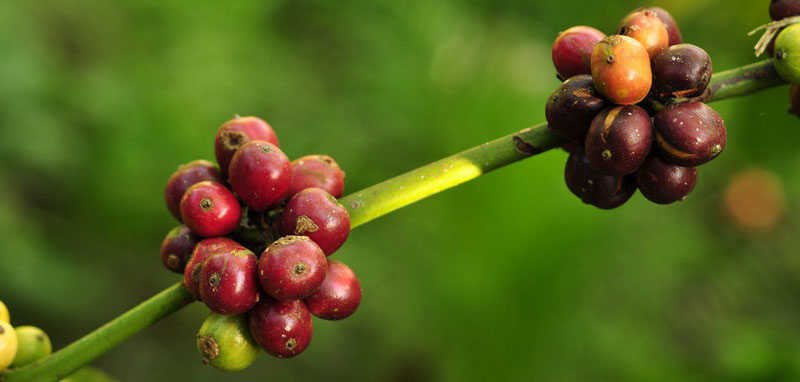
Introduction to Coffee-exploring the color and aroma of coffee beans from the root
[cultivation of coffee trees] Coffee trees are evergreen shrubs of the Akanaceae family and belong to the Rubiaceae family in plant taxonomy. Since ancient times, most of the plants of the family Rubiaceae have special effects, such as quinine, which is regarded as a specific drug for malaria. and Dugan for the treatment of amoeba dysentery. Native to Abyssinia in East Africa, it is now mainly concentrated in the tropical zone or subtropics of America, Africa, and Asia.
How many kinds of coffee beans are there? What is the classification and characteristics of coffee beans? The basics of coffee Coffee
Professional coffee knowledge exchange more coffee bean information please follow the coffee workshop (Wechat official account cafe_style) how many kinds of coffee beans? What is the classification and characteristics of coffee beans? The basic knowledge of coffee the classification of coffee beans? Generally speaking, coffee beans are classified mainly by bean species, country of production, and manors or regions produced. Bean seed, our daily life

What are the characteristics of boutique coffee beans? Varieties of boutique coffee and Daquan of producing areas
Professional coffee knowledge exchange more coffee bean information please pay attention to the coffee workshop (Wechat official account cafe_style) the most important thing is to understand the origin of coffee, as the saying goes, the place of drinking coffee, the year of drinking red wine shows the influence of origin on the value of coffee. The coffee on the market is mainly Arabica (Coffee Arab).

What are the basics of coffee?
Coffee is a drink that gives the public the impression of being black, bitter, sleepless, and excited. The coffee beans we see in coffee shops are dark brown and belong to roasted coffee beans, while the color of coffee liquid is amber. Coffee comes from coffee beans, which in turn are harvested and processed from the fruits of trees. Distribution of coffee: coffee trees

Chen Hao personally taught: this is the only way to sigh for coffee! The four major coffee shops in Hong Kong recommend pilgrims to the Holy Land.
A simple cup of coffee, some people's character is mellow, some people sigh that one side is cozy, and some people are looking for a gesture. For Chen Hao, coffee is as familiar and friendly as his family. in order to know more about this beloved, he did not hesitate to travel all over the northern and southern hemispheres to taste thousands of cups of coffee, personally experiencing the whole process from planting to brewing, even though he had experienced the closure of his own coffee shop. Still regard it.
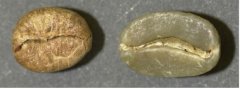
How to tell the robusta coffee beans? What does Luo Dou look like?
The first chapter of the Coffee Taste Collection, the basic knowledge of coffee beans, the first section, the three native species of coffee. 2. Robusta species (scientific name Coffee Robusta Linden). P8 (Note p8, which indicates page 8, is annotated in many places). Robusta coffee beans are generally used for instant solution because they extract twice as much coffee liquid as Arabica. Caffeine content 3

History of introduction and expansion of Coffee in China in the early stage of Coffee Development (5)
1. From the first peak period of the development of China's coffee industry (1952-1961) to the late 1940s, according to recorded figures, there are 2173.33 hectares of rubber plantations in Hainan Island, with a total of 867600 rubber trees, with an annual output of 199,000 tons of dry rubber, and more than 300,000 coffee plants. the annual output of coffee beans is 1 ton. According to a survey in the early 1950s, there was a large amount of coffee left in Fushan area of Chengmai County, with a total of 70,000.

History of introduction and expansion of Coffee in early China (5)
1. From the first peak period of the development of China's coffee industry (1952-1961) to the late 1940s, according to recorded figures, there are 2173.33 hectares of rubber plantations in Hainan Island, with a total of 867600 rubber trees, with an annual output of 199,000 tons of dry rubber, and more than 300,000 coffee plants. the annual output of coffee beans is 1 ton. According to a survey in the early 1950s, there was a large amount of coffee left in Fushan area of Chengmai County, with a total of 70,000.
Coffee planting History of Coffee introduction and expansion in China in the early stage (5)
1. From the first peak period of the development of China's coffee industry (1952-1961) to the late 1940s, according to recorded figures, there are 2173.33 hectares of rubber plantations in Hainan Island, with a total of 867600 rubber trees, with an annual output of 199,000 tons of dry rubber, and more than 300,000 coffee plants. the annual output of coffee beans is 1 ton. According to a survey in the early 1950s, there was a large amount of coffee left in Fushan area of Chengmai County, with a total of 70,000.
The History of Coffee introduction and expansion in China in the early stage (5)
1. From the first peak period of the development of China's coffee industry (1952-1961) to the late 1940s, according to recorded figures, there are 2173.33 hectares of rubber plantations in Hainan Island, with a total of 867600 rubber trees, with an annual output of 199,000 tons of dry rubber, and more than 300,000 coffee plants. the annual output of coffee beans is 1 ton. According to a survey in the early 1950s, there was a large amount of coffee left in Fushan area of Chengmai County, with a total of 70,000.

Barista Learning and training Foundation 1
Exchange of professional baristas Please pay attention to the changes in the name of coffee workshop (Wechat official account cafe_style) coffee was introduced into the Arab world, Yemen was the first stop, at that time, the Arabs called coffee qahwa, which means good wine, which is where the sound of coffee today comes from. The Turks transformed qahwa into Turkish pronounced kahwe, and the Venetians changed kahw